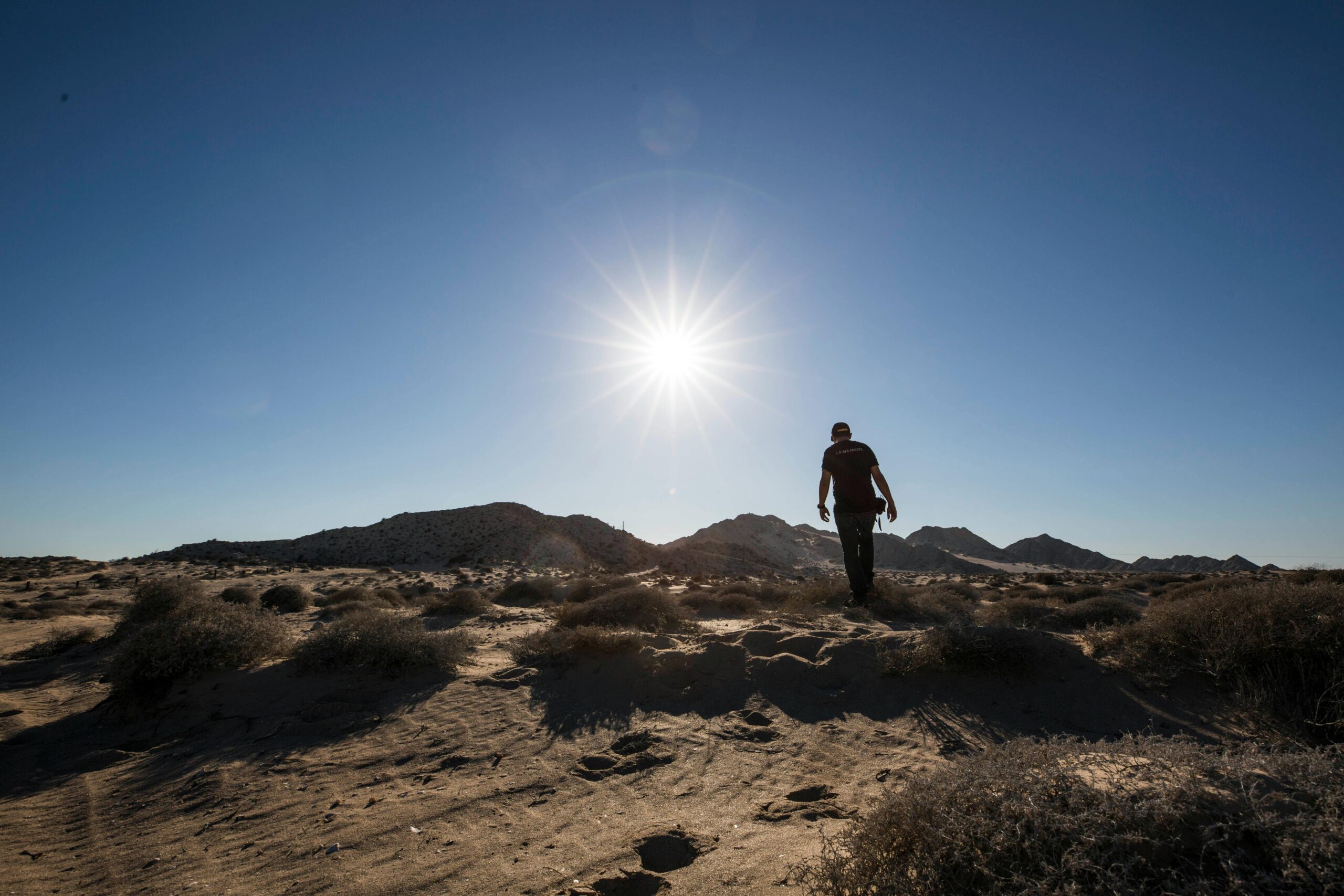

Summer in New Mexico is a time for adventure. Biking, hiking, camping, and other outdoor activities are a huge part of what draws visitors to “The Land of Enchantment”, and it’s one of the many reasons Summer is a favorite season for locals, too.
As you get ready to hit the trails this summer, remember to prioritize your health and safety. Think through the risks associated with heat, altitude, injuries, and how far you may be from medical care. A little planning can help you enjoy your day and know what to do if something goes wrong.
Outdoor Injuries and Health Risks to Watch for
Prepare for a safe summer by understanding the most common injuries and health risks that come with popular outdoor activities. Staying healthy and avoiding injuries starts withrecognizing warning signs that it’s time to stop or get help.
Heat Illness and Dehydration
New Mexico summer heat can be serious. Heat illness can happen when your body gets too hot and cannot cool itself down effectively. Early signs may include:
- Heavy sweating
- Dizziness
- Headache
- Nausea
- Muscle cramps
- Weakness
- Feeling faint
If you start having these symptoms, stop what you are doing. Move to shade or a cool place. Sip water if you can. Do not restart the activity until symptoms are gone.
Call 911 or get emergency help right away if someone seems confused, passes out, has a seizure, has slurred speech, or has a very high body temperature. These can be signs of heat stroke, which is a medical emergency.
Altitude Sickness
Some New Mexico trails, campgrounds, and mountain towns are at higher elevations. For example, popular peaks near Taos go well above 10,000 feet. Even if you’re a seasoned hiker or in great shape, your body will need time to adjust when you go higher than usual.
Altitude sickness can cause:
- Headache
- Nausea
- Dizziness
- Tiredness
- Trouble sleeping
- Loss of appetite
Going up slowly can help lower your risk. Drink water, take breaks, and avoid pushing hard right away. If symptoms start, do not go to a higher elevation—go to a lower elevation if you can do so safely. If symptoms get worse or do not improve, get medical help.
Since altitude sickness and heat sickness share some symptoms, be extra aware of your body when you’re gaining elevation while exposed to direct sunlight. Making sure you have good sun protection is another way to get the most out of your outdoor activities this summer.
Bites, Stings, and Other Animal Risks
For some people, an encounter with a snake, a spider, or another creature is the stuff of nightmares. But most of the worst-case scenarios can be avoided if you give wildlife space and watch where you place your hands and feet.
Wear shoes around campsites. Shake out shoes, towels, and clothing before you use them. Use a flashlight at night. Be careful when walking in or around tall grass, brush, and other plant life, as these are common places for animals to hide.
For spider bites or insect stings, get medical care if symptoms are severe or getting worse. This is especially important if there are symptoms such as:
- Dizziness
- Fever
- Swelling of the face or mouth
- Severe pain
- Spreading redness
- Trouble breathing
If a snake bites someone, call 911. Do not cut the bite, suck out the venom, or use a tourniquet. Do not assume the health risk based on the species of snake or the location of the bite.
Sprains, Strains, Falls, and Sore Joints
Twisted ankles, sore knees, pulled muscles, blisters, and back strain can happen during hiking, running, biking, camping, and other outdoor activities.
For what seems like a minor sprain or strain, basic first aid often includes the RICE method: rest, ice wrapped in a cloth, a snug wrap for compression, and elevating the injured area.
Get medical care if:
- Pain is severe and doesn’t improve
- There is numbness
- A bone looks out of place
- The person cannot stand or walk
Don’t push through an injury that feels serious. Get help as soon as you can to keep a small injury from becoming a longer problem.
Bike, Scooter, ATV, and Vehicle Crashes
Bike and vehicle injuries can happen close to home, on a trail, or on the way to a campsite. Stay alert and safety-conscious whenever you are operating or riding a fast-moving vehicle.
Here are a few safety tips to follow:
- Wear a helmet in case you fall or are thrown from a bike, scooter, motorcycle, or ATV.
- Use seat belts in cars and trucks.
- Do not drive or ride under the influence of drugs or alcohol.
- Slow down on unfamiliar roads and trails.
After a crash, look for signs of a head injury, heavy bleeding, severe pain, or trouble moving. Call 911 if the injury may be serious.
Concussions and Head Injuries
A concussion is a brain injury caused by a hit, bump, or jolt to the head or body. For example, from a bike crash, a fall, or an ATV accident. Signs of a concussion can include:
- Confusion
- Dizziness
- Feeling foggy
- Headache
- Nausea
- Sensitivity to light or noise
- Memory problems
Go to the emergency room if these symptoms get worse. Call 911 if the person develops a worsening headache, repeated vomiting, seizure, slurred speech, unusual behavior, weakness, numbness, or loss of consciousness.
If someone has a possible concussion, they should not go to sleep for 3-4 hours following the injury. After that initial window passes, they should rest to help the brain heal. Do not return to any activity where you could fall or collide with another person after a head injury until a health care professional says it is safe.
What to Pack to Stay Safe Outdoors
You do not need expensive gear for every outdoor activity. But you should bring the basics, even for a short trip. Put these items on your must-have packing list:
- Water
- Snacks
- First aid kit
- Sunscreen
- Hat and sunglasses
- Layers of warm clothing for changing weather
- Map or downloaded route
- Phone
- Charger or battery pack
- Flashlight or headlamp
- Regular medications
- List of medications, health conditions, and emergency contacts
- Insurance card or photo of your card
- Photo ID, such as a driver’s license
Before you leave, tell someone you trust where you are going and when you expect to return. That way, you can count on help if you are injured or get stuck.
What to Do if Someone Gets Hurt Outdoors
First, stop the activity. Move away from danger if you can do so safely. Then check the person’s symptoms:
- Are they awake and breathing normally?
- Are they bleeding?
- Can they walk?
- Do they have chest pain or trouble breathing?
- Did they hit their head?
- Are they confused, faint, or not acting like themselves?
- Are heat, altitude, or a bite possible causes?
Call 911 if the situation seems serious or if you are not sure what to do. For less severe injuries, visit a nearby clinic, urgent care center, or doctor’s office to get help.
How Health Insurance Can Help if You Get Hurt Outdoors
Getting hurt outdoors could lead to medical expenses you did not budget for. Without reliable health coverage, costs for getting emergency or urgent care and things like X-rays, medicine, stitches, and follow-up visits can add up quickly.
Having a health insurance plan through BeWell helps you avoid big medical bills. Health plans offered through BeWell include the 10 essential health benefits, including emergency services, hospital care, and prescription medications.
If you already have coverage, take a few minutes to review your health plan details. Check where you can go for urgent care, what emergency care may cost, and how to contact your insurance carrier.
In an emergency, get care from the closest hospital that can help. Do not delay emergency care because you are worried about whether a hospital is in network.
Before your next hike, ride, or camping trip, pack the basics and know where you would go for care. If you have questions about health insurance, coverage, or plan options, BeWell can help.
Schedule a free appointment with a Certified Assister who can walk you through your next step.