
In New Mexico, the air quality can change fast. A clear morning can turn dusty by noon, and wind can carry pollen for miles. Low air quality can cause allergic reactions that affect breathing. You may notice a scratchy throat, stuffy nose or cough even when you are not sick.
Allergies and asthma can bring strong reactions to substances in the air, but poor air quality can affect even those who have never been diagnosed with any breathing issues. Risk can be higher for children, older adults and people with asthma or other heart and lung conditions. People who spend long hours outdoors may also breathe more polluted air.
For lifelong health, it is important to understand how allergies and low-quality air can affect your breathing.
Here are answers to some key questions about air quality, allergies and breathing that should help you and your family take better care of yourselves as we make our way through the rest of summer.
What Can Make Air Harder to Breathe?
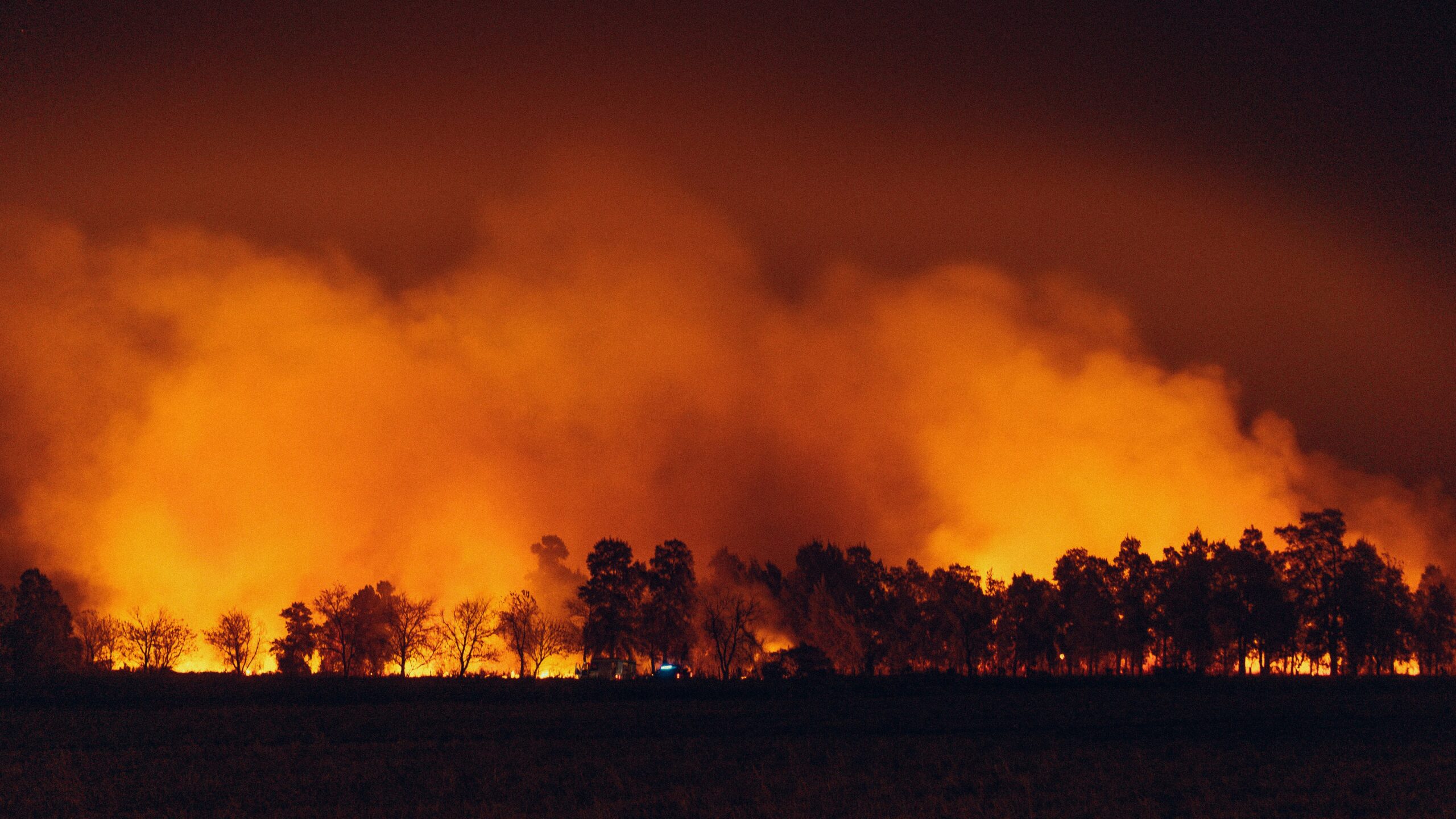
During the summer, wildfire smoke causes many people to become more aware of air quality. But smoke is only one of many things that can impact the air you breathe. Several kinds of pollution and allergy triggers can be in the air at the same time.
Particles from Smoke and Other Sources
Particle pollution is a mix of tiny solids and liquid drops. These particles can travel deep into the lungs, causing irritation. Smoke from wildfires and planned burns can raise particle levels in New Mexico. Windblown dust, car exhaust, wood smoke and construction can add particles, too. Long-term exposure can cause more breathing problems in children.
Ground-Level Ozone
Ozone in the atmosphere helps protect us from the sun. Ground-level ozone is different: instead of helping humans, it can hurt us. It forms when pollution reacts in sunlight.
Ground-level ozone can irritate and swell the airways. It can also cause coughing and make it hard to take a deep breath. People with asthma and other lung conditions and small children may feel stronger effects.
Pollen and Mold Spores
Pollen and mold can trigger allergies or asthma symptoms, even in people who have never had breathing problems. Trees, grasses and weeds release pollen at different times of year. Hot, dry and windy days often have more pollen in the air—the wind can carry pollen from juniper, grasses, weeds and other plants over long distances.
Indoor Air Triggers
Smoke and pollen can enter through windows, doors and air systems. The New Mexico Department of Health lists mold, pollen, dust, fragrances, cleaning products and tobacco smoke among common household triggers for asthma and allergies.
If you take prescription medication for asthma or allergies, it may be covered by your health insurance plan. Talk with a BeWell certified assister to see if your treatments are covered by your policy.
Small Steps Can Lower Your Exposure
One bad-air day does not tell the whole story. Try to reduce both high exposure and the total amount of polluted air you breathe over time.
Check the Air Quality Index and Pollen Count
The Air Quality Index (AQI) is a color-coded tool to measure outdoor pollution. AQI values at or below 100 are generally considered satisfactory. Above 100, the air may first become unhealthy for people who are more sensitive. As the number rises, the risk grows for everyone.
Here are three places to look for air quality information:
- Check current wildfire-related air conditions from the New Mexico Environment Department
- Get air quality updates for your neighborhood from AirNow
- Use a local news site or national app such as The Weather Channel to get pollen updates
The AQI does not measure pollen. Looking at both the air quality and the pollen count gives you a fuller picture. A green AQI day can still have a high pollen count. A low-pollen day can still be smoky or high in ozone.
Plan Outdoor Time Around the Air
Check the AQI and pollen before a long day of outdoor work, exercise or family plans. When levels are high, shorten the activity or reschedule. If you work outside, try to take breaks indoors.
Air quality conditions can change during the day, especially when the wind shifts. Check the AQI again when the sky, smell or visibility changes. If you are dealing with particles from wildfire smoke, follow a few in-depth tips, like bringing a breathable face covering and keeping your windows rolled up while driving, to protect your health during wildfire season.
Keep Pollen Outside
Close the windows in your home or car when pollen is high. Change your clothes after time outdoors and wash your hair before bed on windy days. Remember that pets can also carry pollen inside on their fur. Wipe them down before they come indoors.
Use the Right Mask for Particles
On particularly low-air quality days, consider wearing a face mask to keep particles out of your lungs. A well-fitting mask that seals close to the face can lower the amount of smoke and dust you breathe.
Choose an N95 mask, which is made of materials that filter particles from smoke and pollen. Cloth masks, bandanas and neck gaiters do not give the same protection from wildfire smoke.
Make Sure Everything That Helps You Breathe Are Covered When Choosing a Health Plan
Your inhaler, allergy medicine or regular breathing treatments may be covered by a health insurance plan through BeWell. Include your current prescriptions and your preferred health clinic when you are comparing health insurance plans.
If you need health insurance coverage, schedule a free appointment with a BeWell certified assister. We can help you find an affordable plan and breathe a little easier.