
It’s frustrating to have respiratory problems in the summer. You want to get outside and enjoy the nice weather, but you have a runny nose, scratch throat, and watery eyes.
Is it allergies? A cold? Smoke in the air?
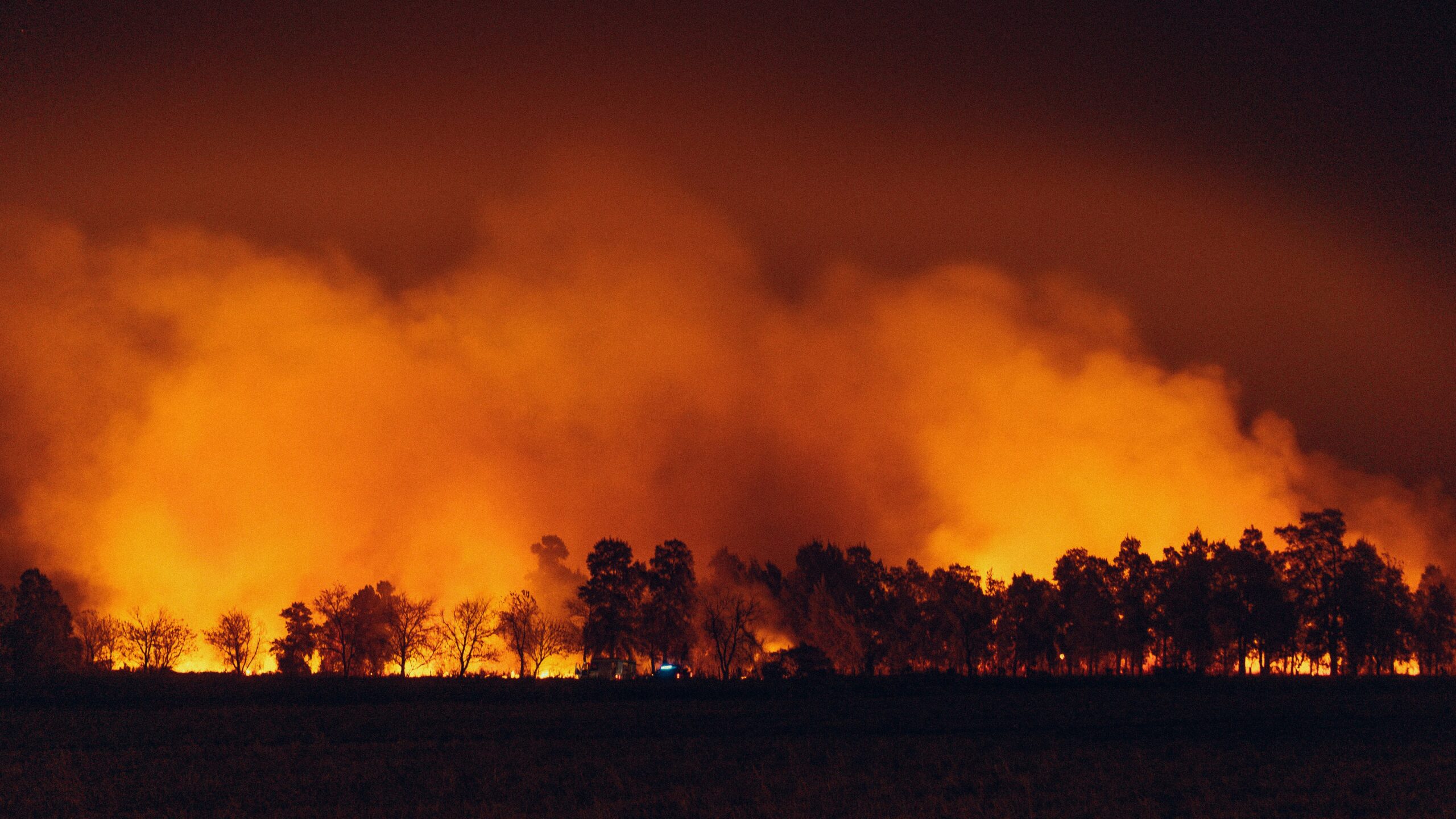
It can be hard to tell, especially during New Mexico’s windy allergy seasons and smoky wildfire days. These problems can cause some of the same symptoms, including congestion, sinus drainage, coughing, sneezing, and irritated eyes.
The pattern of your symptoms can offer clues, but only a health care professional can diagnose the cause. Here are a few tips about symptoms to watch for, ways to feel better at home, and when it is time to get medical care.
Look for Patterns in Your Symptoms
Allergies Often Cause Itching
Allergy symptoms can feel a lot like a cold. One possible clue is itching. Itchy eyes, nose, or throat are common with allergies and less common with a typical cold. Pollen, mold, dust mites, pet dander, and other allergens can trigger these symptoms. You may notice worse symptoms after spending time outside, cleaning a dusty space, or being around an animal.
Try to reduce contact with allergy triggers. This may mean staying indoors during high-pollen periods, changing clothes after spending time outside, or keeping windows closed on smoky or windy days.
If at-home allergy medications don’t relieve your symptoms, it may be time to see a doctor. Health care professionals can help if persistent symptoms make it hard to sleep, work, or enjoy time outside.
Related: Read “Outdoor Safety in New Mexico”
Colds Can Make You Feel Sick All Over
Having a cold may cause a runny or stuffy nose, cough, sneezing, sore throat, headache, mild body aches, or a low fever. Symptoms usually get worse over a few days before they improve.
The Centers for Disease Control and Prevention recommends using a clean humidifier or cool-mist vaporizer, saline nasal spray or drops, and throat lozenges for adults and older children.
Rest, stay hydrated, and over-the-counter medications may help relieve your symptoms. A pharmacist or health care professional can help you understand which drugs may be safe for you. Take extra precautions if you have diabetes, high blood pressure, allergies to medications, or are pregnant or breastfeeding.
The flu, COVID-19, strep throat, and other conditions may need different care. If you have a high fever, worsening symptoms, or concerns about your health, contact a health care professional. They can help decide whether testing or treatment can help you feel better.
Related: Read “This Navajo Family Got Affordable Health Coverage — and Peace of Mind”
Wildfire Smoke Can Irritate Your Eyes and Lungs
Wildfire smoke can cause a runny nose, scratchy throat, stinging eyes, coughing, wheezing, headaches, and trouble breathing. It can also trigger asthma attacks. Symptoms may start or get worse when the air is smoky and may improve when you spend time in cleaner indoor air.
Wildfire smoke can affect anyone. Children, pregnant people, and people with asthma, chronic obstructive pulmonary disease, heart disease, diabetes, or other chronic conditions may face a higher risk of health problems from smoke.
Wearing a face mask outdoors may help keep some debris out of your lungs. Stay indoors if possible when there are smoky air advisories in your community. Check the local air quality before spending time outside during the summer. Get more tips for dealing with smoke in the air.
Know When To Get Medical Help
Contact a health care professional if you have shortness of breath, wheezing, a cough that will not stop, or symptoms that do not improve. This is especially important after wildfire smoke exposure or if you have asthma, COPD, heart disease, or another chronic condition.
Call 911 or seek emergency care right away if you have difficulty breathing, chest pain, or signs of a severe allergic reaction. These signs can include:
- Trouble swallowing
- Dizziness or fainting
- Hives
- Swelling of the face, mouth, tongue, or throat.
Avoid Big Bills for Summer Illness
If you don’t have health insurance, you might get stuck with a big bill if you have a serious illness. Having health insurance can also help cover the cost of care you get from Indian Health Services and Tribal Health Care Centers.
All health insurance plans available through BeWell cover 10 essential services, including:
- Outpatient care: Treatment in a doctor’s office or hospital without staying overnight.
- Emergency services: Treatment in the emergency department.
- Inpatient Care: Treatment when you stay overnight in the hospital.
- Prescription drugs: Medicine you can only get with permission from an approved provider.
- Laboratory services: Checks of your blood, saliva, cells or urine to diagnose or manage a health problem.
If you do not have health insurance, BeWell New Mexico can help you explore your options. You can browse and compare plans and see which ones include your doctors and medications.
Have questions? Call 833-862-3935 to talk with a BeWell team member. We’re happy to help you get the health insurance coverage you need.