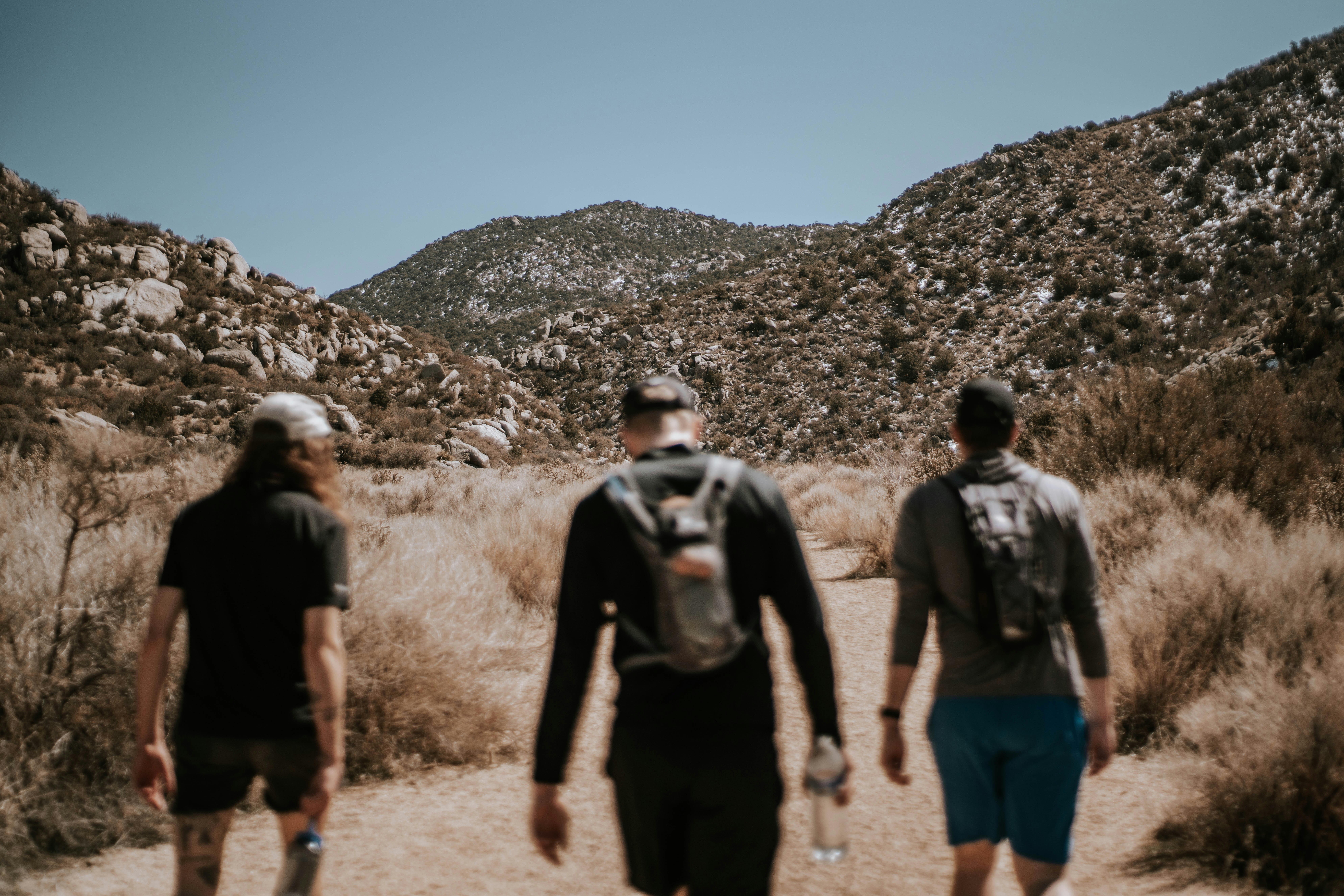

A summer day in New Mexico can mean a hike in the bosque or a bike ride in the Sandia Foothills, or a family outing to Isotopes Park. Usually, it will also mean a lot of sunshine.
Our state’s high elevation and clear skies can make the sun feel stronger than expected. You can get too much sun even when it is breezy, cloudy, or not very hot. Before you head outside to enjoy the sunshine, make sure you’re doing what you can to protect your skin and your eyes.
Why the New Mexico Sun Can Affect Your Skin and Eyes
The sun gives off ultraviolet rays, also called UV rays. You cannot see UV rays, but they can damage your skin and eyes.
The UV Index is a daily number that tells you how strong the sun’s UV rays are. It starts at 0 and progresses through 5 different categories indicating the risk of harm from sun exposure. If the UV Index is 3 or higher, the Center for Disease Control recommends protecting your skin from too much sun.
In New Mexico, the UV Index can get very high in the summer. UV rays can still reach your skin on cool or cloudy days. Albuquerque’s summer UV Index can often reach 11 or higher. That is considered extreme.
Why is the UV index higher in New Mexico? Many places in New Mexico sit at high elevation. At higher elevations, less air blocks UV rays before they reach you. That means your skin and eyes may get more UV exposure than they would at lower elevations. This matters when you are hiking, going for a run, camping, or visiting high desert areas.
UV rays can also reflect off surfaces like water, sand, cement, and snow. That means you may need additional sun protection while swimming, walking on light-colored sidewalks, fishing, or driving. If you’re planning outside time near the water, sand, or pavement this summer, extra sun protection for your skin is a good idea.
3 Steps to Protect Your Skin from the Sun
1. Check Your Local UV Index
Before a long day outside, check the UV index the way you might check the temperature or wind. Many weather apps and news sites list the local UV index. This can help you decide:
- When to go outside
- What clothes to wear
- How much shade to plan for
- How often to reapply sunscreen
- Whether kids, older adults, or people with health concerns may need extra breaks
When UV levels are high, try to spend more time in shade. And remember that the sun is often strongest around midday. Some people use the “10 am to 4 pm” rule to reduce sun exposure. That’s the time when UV rays are highest, so they choose to stay indoors.
2. Use SPF 30 or Higher Sunscreen
Choose sun protection factor (SPF) 30 or higher sunscreen. Look for the words “broad-spectrum” on the label. Broad-spectrum means it helps protect against two types of UV rays: UVA and UVB.
Put sunscreen on exposed skin before you go outside. Don’t forget easy-to-miss spots, such as:
- Ears
- Nose
- Lips
- Back of the neck
- Hands
- Tops of feet
- Along the hairline
- Exposed scalp
Reapply sunscreen at least every two hours. Reapply more often if you are swimming, sweating, or drying off with a towel.
3. Wear Protective Clothing & Enjoy the Shade
In strong New Mexico sun, sunscreen works best when you also use shade, hats, and clothing to protect your skin. When you can, use:
- A wide-brimmed hat
- Lightweight long sleeves and pants
- Long-sleeved swim shirts
- Sunglasses
- Shade from trees, umbrellas, tents, or covered patios
- Breaks indoors or in the car with air conditioning
For kids, outdoor workers, athletes, and people who spend many hours outside, clothing and shade can make a big difference.
4. Choose Sunglasses with UV Protection
Not all sunglasses protect your eyes from UV rays. Over time, too much UV light can raise the risk of eye problems, including cataracts, growths on the eye, and some eye cancers
Look for sunglasses labeled:
- 100% UV protection
- UV400
- Blocks UVA and UVB rays
Dark lenses do not always mean better UV protection. The label matters more than the color of the lens. Be sure to also check children’s sunglasses to make sure they meet the same standards.
Related: Read ‘Health Insurance: Your Key to Wellness, No Matter What Life Brings’
When to Seek Medical Care
A mild sunburn can be painful, but a bad sunburn may need medical care. Sunburns may cause red, tender skin that feels warm to the touch. Blisters can appear hours or days later. Heat illness is also a serious condition that sometimes requires medical care. Sometimes also called “heat exposure”, it can also cause fever, chills, nausea, rash, or other symptoms.
Get medical help right away if sunburn or sun exposure comes with signs such as:
- Fever or chills
- Confusion
- Dizziness or fainting
- Severe pain
- Blisters over a large area
- Signs of dehydration
- Nausea or vomiting
- Symptoms of heat exhaustion or heat stroke
If you have health questions or a history of these symptoms after heat or sun exposure, ask a doctor what sun safety steps are right for you.
Sun Safety Matters for Every Skin Tone
People of any skin tone can have skin damage from UV rays, including skin cancer. If you have darker skin, it may be harder to notice some early signs of sun damage or skin changes. Pay attention to spots that are new, changing, painful, bleeding, or not healing. If you are worried about a spot on your skin, talk with a health care provider.
Need Health Insurance this Summer? BeWell Can Help You Compare Plans
Even with good sun habits, you may still need care for a bad burn, eye pain that won’t go away, heat sickness, or a changing spot on your skin. If you don’t have health insurance coverage, a summertime health concern can feel harder to handle.
All health insurance plans through BeWell cover emergency and urgent care visits, as well as prescription medications. The friendly experts at BeWell can help you browse and compare health insurance plans and see if you may qualify for savings.
Enjoy a cool, refreshing summer with peace of mind that your health care needs are covered. Questions about coverage? Contact a Certified Assister today.